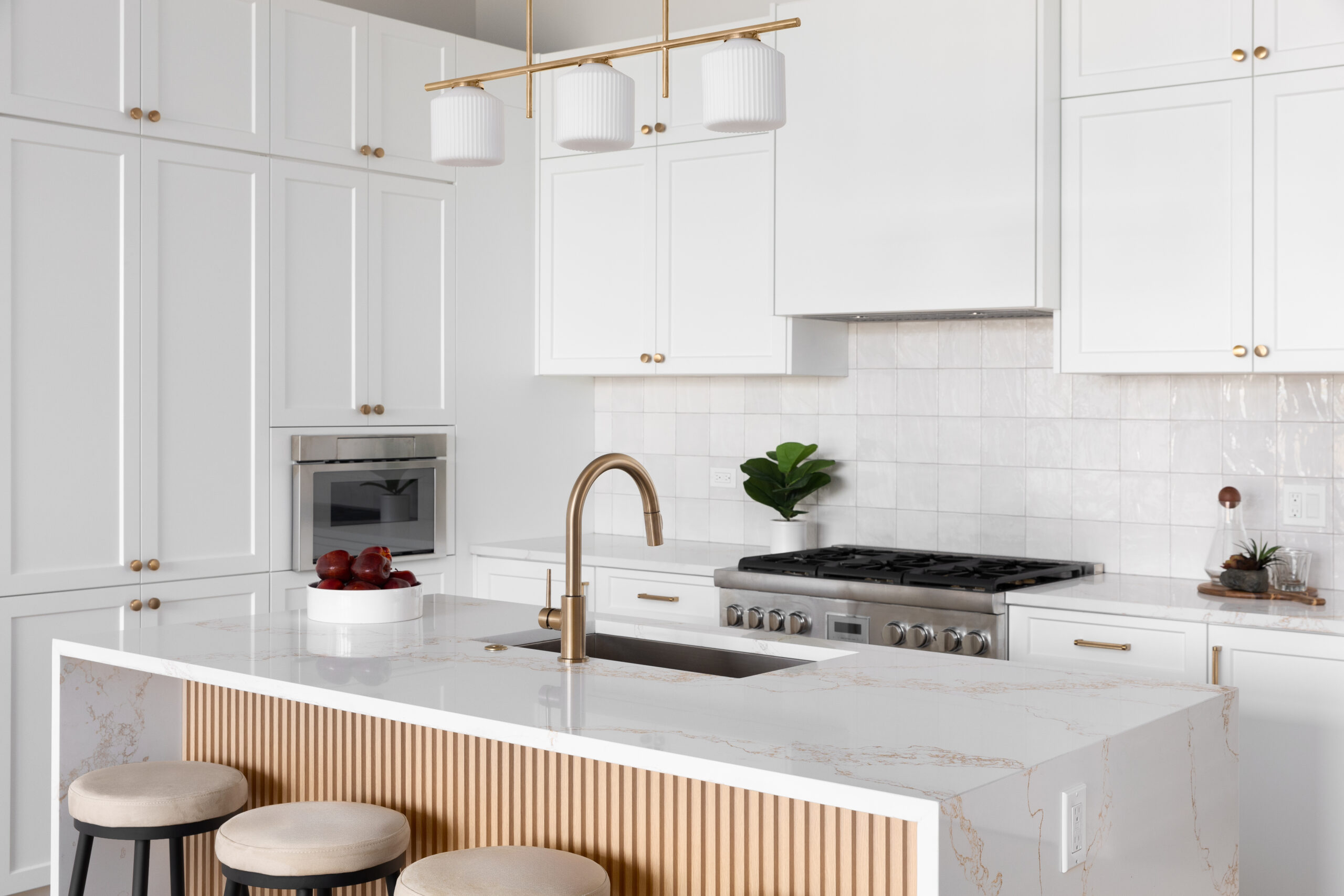
Kitchen lighting ideas that complement your layout
Lighting is often one of the most overlooked elements of kitchen design, but it plays a powerful role in how the room looks and functions. When carefully planned, it not only supports everyday tasks but also shapes the atmosphere and flow of the space.
In this blog post, we explore how lighting influences the layout of a kitchen, how it supports different functions within the space, and why considering it early in the design process is essential. We also share some kitchen lighting ideas to help you create a kitchen that feels balanced and is built around the way you live.
Why lighting is central to your kitchen layout
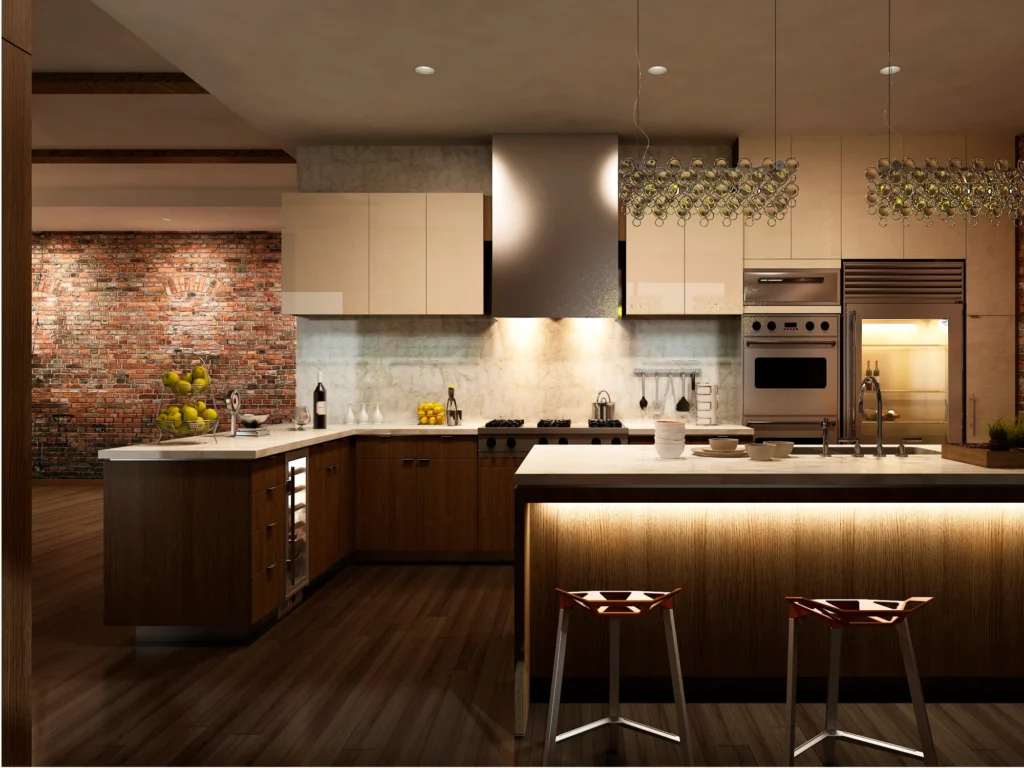
Lighting influences how a kitchen is laid out long before any materials are selected. It shapes how the space is divided and how comfortably each area can be used. For this reason, lighting works best when it is planned alongside the layout, rather than added once the design is complete.
The way light falls across a room shapes how the layout is experienced. Circulation routes and food preparation areas rely on well-considered lighting to function properly. Without this, even a well-planned layout can feel awkward or incomplete, as the space no longer supports how it is meant to be used.
Different parts of the kitchen require different lighting conditions, and these needs directly influence layout decisions. When lighting is thought about early on, the layout comes together naturally. The result is a kitchen that feels easy to use, where movement, work areas and atmosphere are all guided by how the space is lit.
How to use lighting to support different kitchen functions
Lighting plays an important role in how each part of the kitchen is used. As briefly mentioned earlier in this blog post, the right type of lighting, placed in the right position, helps different areas work comfortably and safely, while also keeping the space feeling balanced and considered.
Below are some kitchen lighting ideas focused on supporting the most essential functions of the space.
Food preparation and cooking
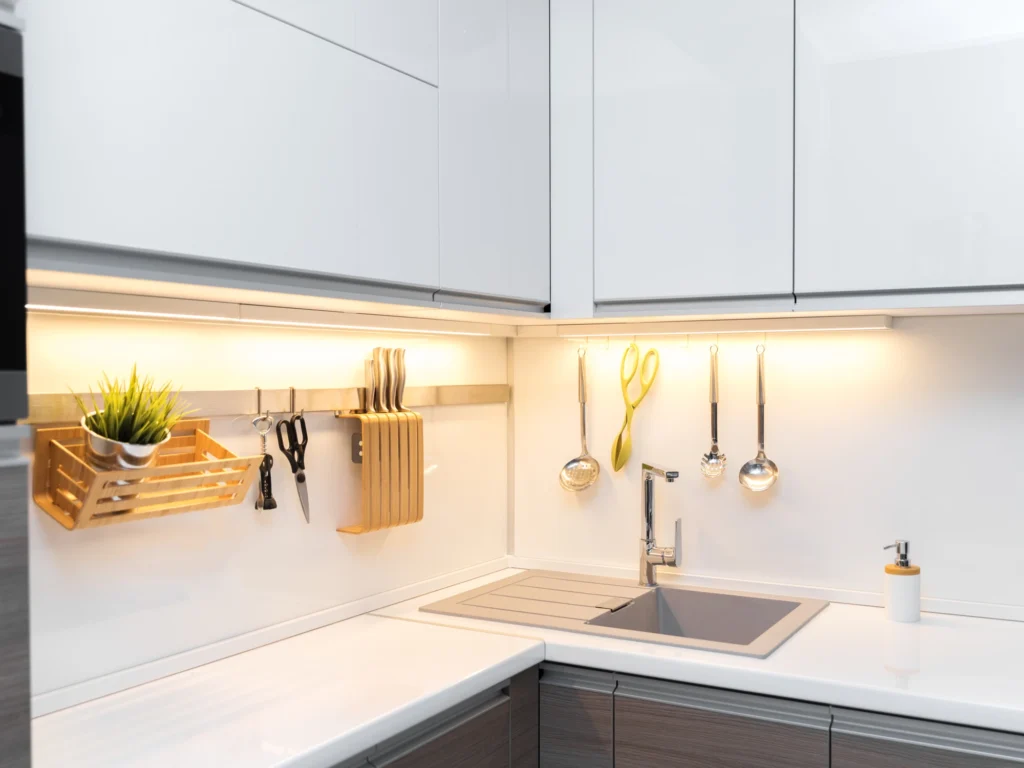
Food preparation and cooking areas benefit from lighting that is bright and focused.
Integrated lighting beneath wall units or within shelving is an effective choice, as it directs light exactly where it’s needed, onto work surfaces, helping to reduce shadows and improve visibility for everyday tasks.
Because this lighting is contained within the cabinetry, it provides the brightness required for cooking without overpowering the rest of the space. When built into the design, it supports comfortable daily use while keeping the kitchen looking clean, calm and uncluttered.
Moving through the space
Getting around the kitchen should feel effortless, and lighting plays a big part in making movement feel natural.
Consistent illumination from recessed ceiling lights, linear downlights, or carefully positioned fixtures helps the whole space feel connected and easy to navigate.
This keeps sightlines clear and prevents dark corners, allowing the kitchen to function smoothly throughout the day while maintaining a sense of calm and cohesion in the design.
Dining and social use
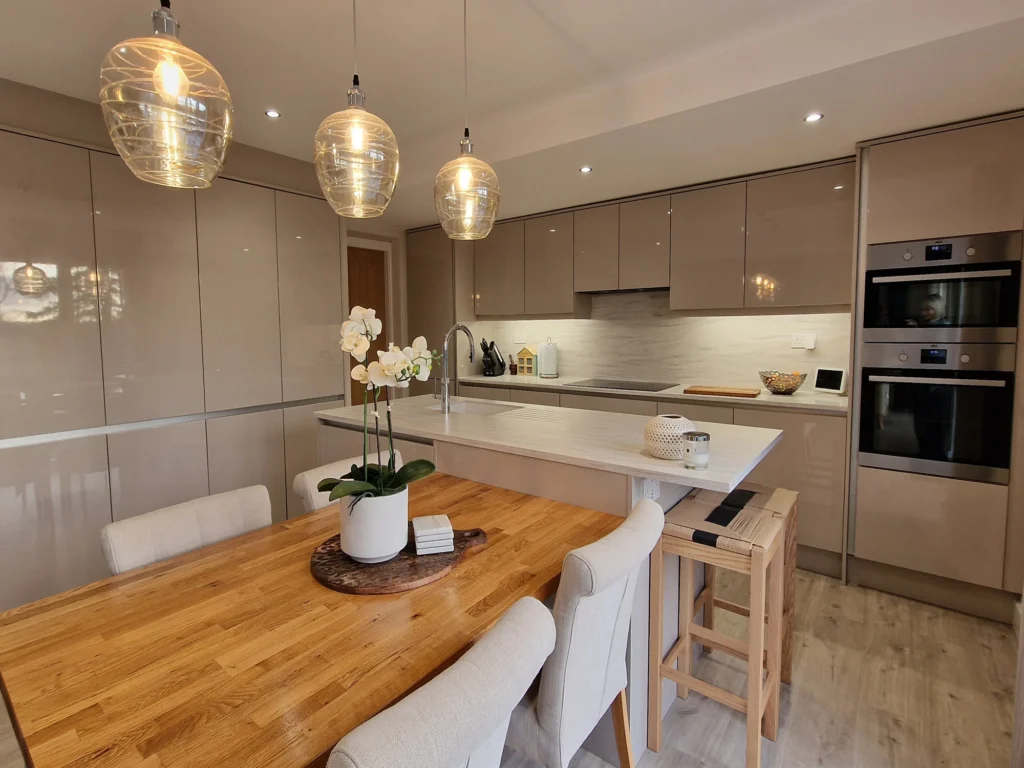
In areas used for eating or socialising, softer lighting helps create a relaxed, welcoming atmosphere without separating the space from the working kitchen.
Pendant lights over a table, dimmable ceiling fixtures, or integrated wall lighting add warmth and gentle focus while keeping the kitchen visually connected.
Adjusting the intensity and placement of light signals a shift from cooking and preparation to dining and gathering, making social areas feel inviting and comfortable.
This is especially important in open-plan kitchens, where subtle changes in lighting help the space flow naturally from one activity to the next.
Storage and visibility
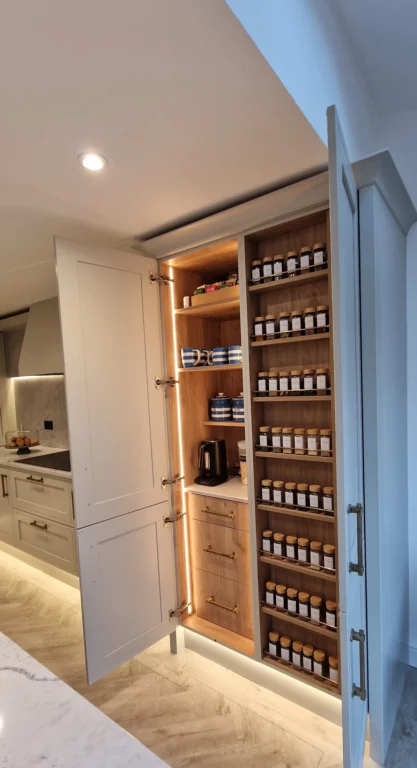
Good lighting makes storage areas easier to use without disturbing the calm of the kitchen.
Discreet, integrated options like LED strips or small lights inside cabinets, drawers, or shelving softly illuminate the space, making it simple to see and access everything.
When carefully placed, this lighting almost disappears into the design. It enhances usability and subtly showcases the quality of the cabinetry and materials, all without creating glare or drawing attention to the fixtures themselves.
Kitchen lighting ideas for modern living
Once the functional requirements of the kitchen are understood, thoughtful planning can help refine the lighting in more subtle and considered ways.
Well-designed lighting brings comfort and character to a kitchen when it is carefully considered from the outset.
Beyond meeting practical needs, the right choices can subtly enhance materials, improve spatial balance and support everyday living. Here are some of our kitchen lighting ideas to guide the development of a lighting plan that supports both the design and day-to-day use of the space.
Balance brightness with reflection
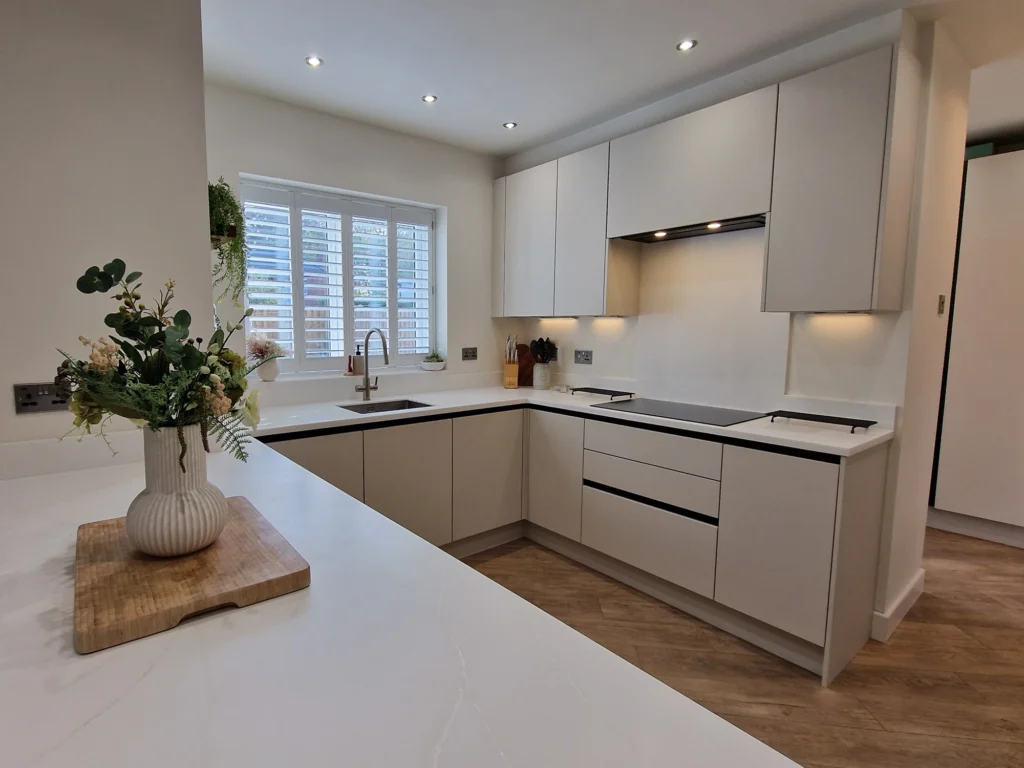
The way light behaves in a kitchen is closely linked to the surfaces it touches.
Polished stone, glazed splashbacks and lacquered cabinetry can bounce light around the room, helping the space feel brighter and more open.
In contrast, natural timber, matt finishes and darker colours tend to absorb light, creating a softer, more subdued effect. Choosing the right finishes and colour scheme can make a real difference.
When planning your lighting, it’s worth considering how these different materials will influence overall brightness.
Lights positioned too close to highly reflective surfaces can cause glare or harsh highlights, while areas finished in deeper tones may require additional illumination to prevent the space from feeling heavy or dim.
By carefully balancing fixture placement, beam angles and light output, you can achieve a level of brightness that feels comfortable rather than overwhelming.
The result is a kitchen where surfaces are evenly lit, textures are gently revealed, and the whole room feels calm, clear and easy to use throughout the day and into the evening.
Choose fittings that suit the scale of the space
Lighting should feel naturally proportioned to the size and height of your kitchen, complementing the architecture rather than competing with it.
Slim, low-profile fittings work particularly well in compact rooms or streamlined designs, where visual simplicity helps maintain a sense of openness.
In contrast, larger or more sculptural pieces can be used with confidence above islands, peninsulas or dining tables in more generous spaces, adding focus and presence without overwhelming the layout.
Considering ceiling height is equally important. Higher ceilings allow for pendant drops or layered arrangements, while lower ceilings benefit from recessed or surface-mounted options that preserve headroom and keep the space feeling balanced.
When fittings are chosen with scale in mind, the lighting appears purposeful and well integrated, enhancing the overall design without feeling dominant or out of place.
Pay attention to colour temperature
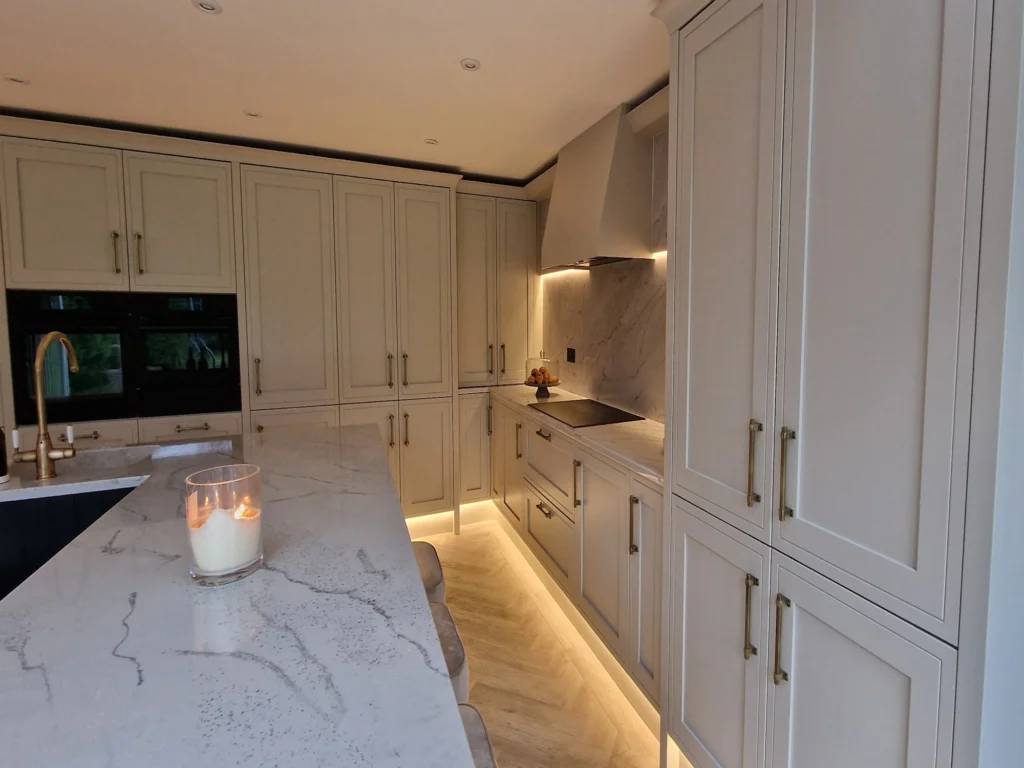
The warmth or coolness of light has a subtle but powerful effect on how a kitchen looks and feels.
Warmer tones can bring out the richness of timber, soften painted finishes and create a more inviting atmosphere, while cooler or neutral whites often suit contemporary spaces, emphasising clean lines and crisp surfaces.
It’s also worth considering how artificial light will blend with natural daylight at different times of day. A carefully chosen colour temperature ensures that colours remain true and materials look their best from morning through to evening.
Keeping this consistent across the kitchen helps maintain visual harmony, preventing areas from feeling disconnected or unintentionally contrasting.
Highlight textures and craftsmanship
Directional lighting can be used to gently emphasise the grain of wood, the veining in stone, or the detailing within bespoke joinery.
By casting light at a shallow angle, it reveals texture and subtle variations that might otherwise go unnoticed, bringing a sense of depth and craftsmanship to the space.
This approach adds visual interest without drawing attention to the fittings themselves, allowing the materials to take centre stage.
Carefully placed accents ensure that key features remain visible and engaging both day and night, enhancing the overall character of the kitchen while maintaining a calm, considered atmosphere.
Allow for flexibility over time
Think about how your lighting needs may change as the kitchen evolves and the way you use the space shifts.
Family routines, new appliances or changes in layout can all influence where light is needed most. Choosing adaptable fittings or systems that allow brightness or direction to be adjusted makes it easier to respond to these changes without redesigning the whole scheme. Leaving discreet provision for additional lighting during the initial build can also be invaluable.
This forward planning allows updates to be introduced later with minimal disruption, helping the kitchen remain practical, comfortable and relevant as your lifestyle and needs develop over the years.
How Premier Crafts can help
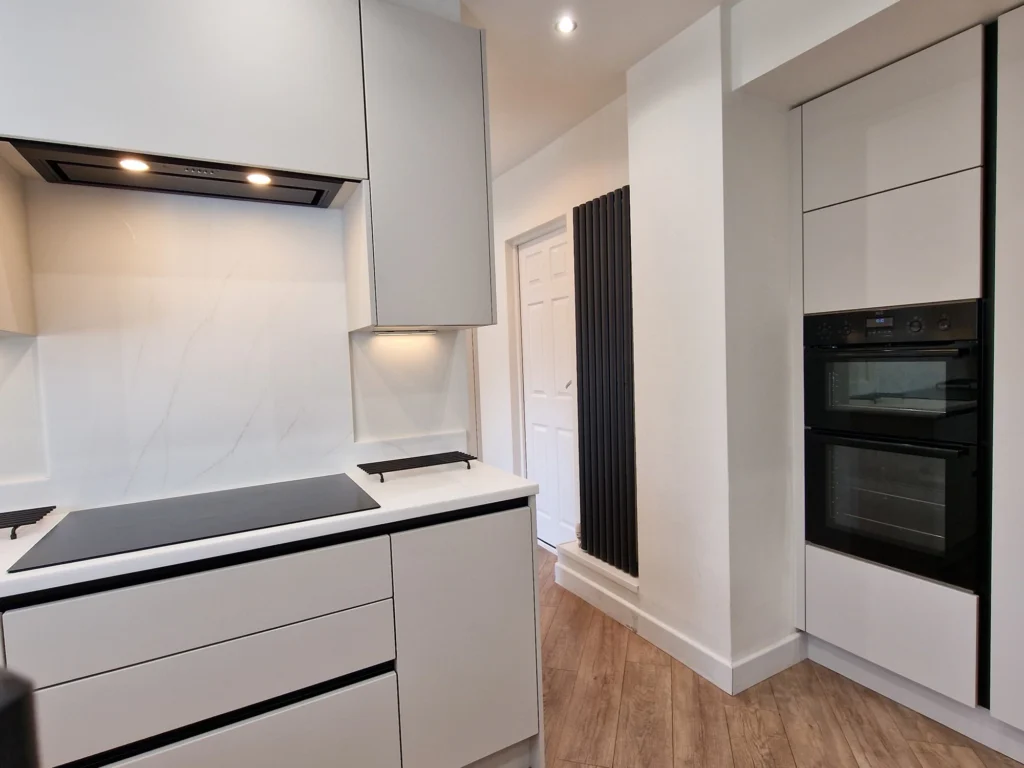
At Premier Crafts, lighting is treated as an essential part of the design rather than a separate consideration.
Our process brings together layout planning and lighting strategy from the outset, allowing each decision to inform the next. This ensures that lighting supports both the technical demands of the kitchen and the atmosphere you want to create.
By working closely with you, we tailor every aspect of the lighting to suit your space, your preferences, and how you live day to day.
The result is a kitchen where lighting enhances usability and mood in equal measure, contributing to a design that feels balanced and built to last. Learn more about how we bring this approach to life through our kitchen design process.
If you’re ready to create a kitchen that is as beautiful as it is functional, explore our kitchens or book a design consultation to start your project today.
Back to Blog