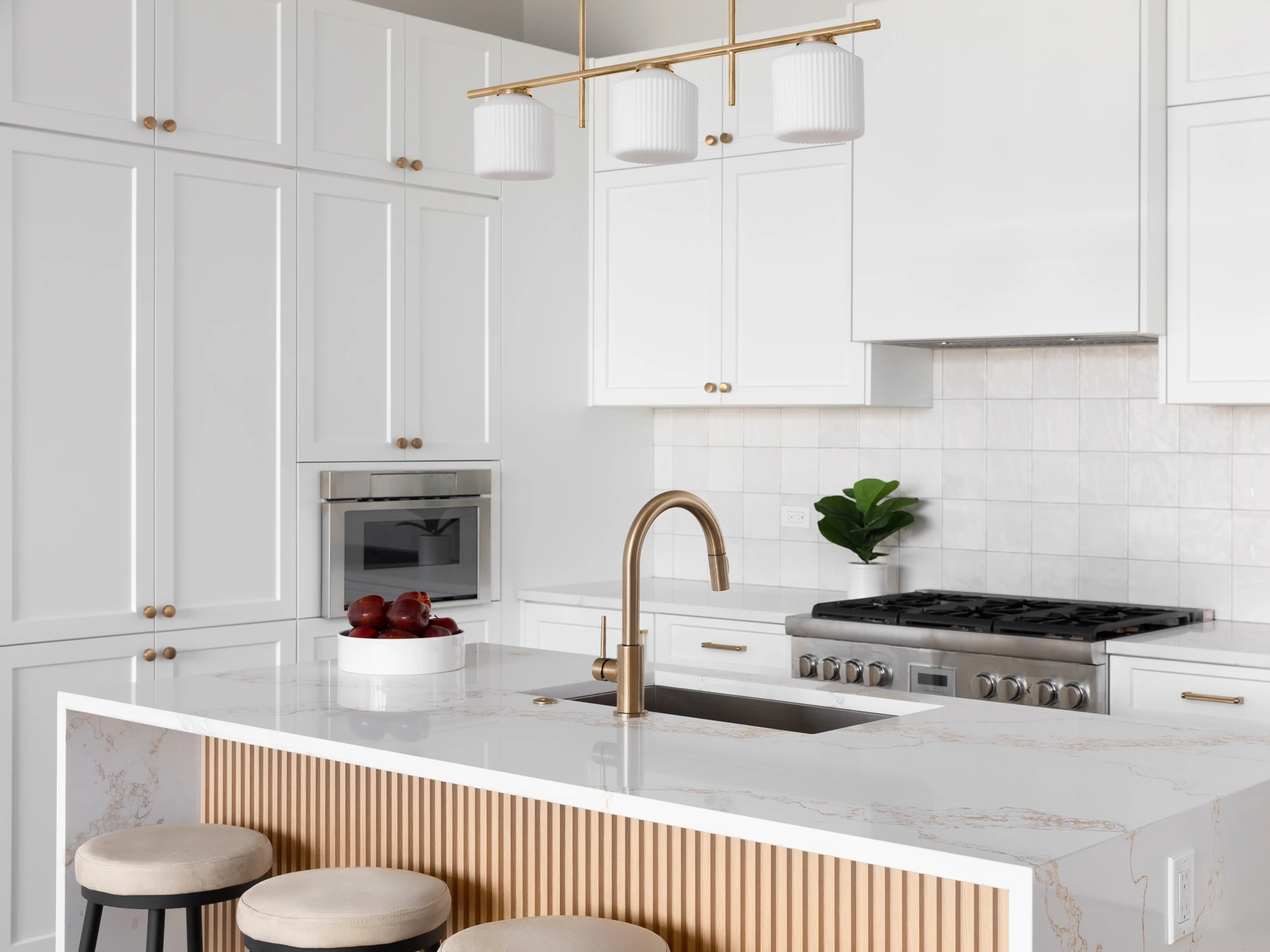
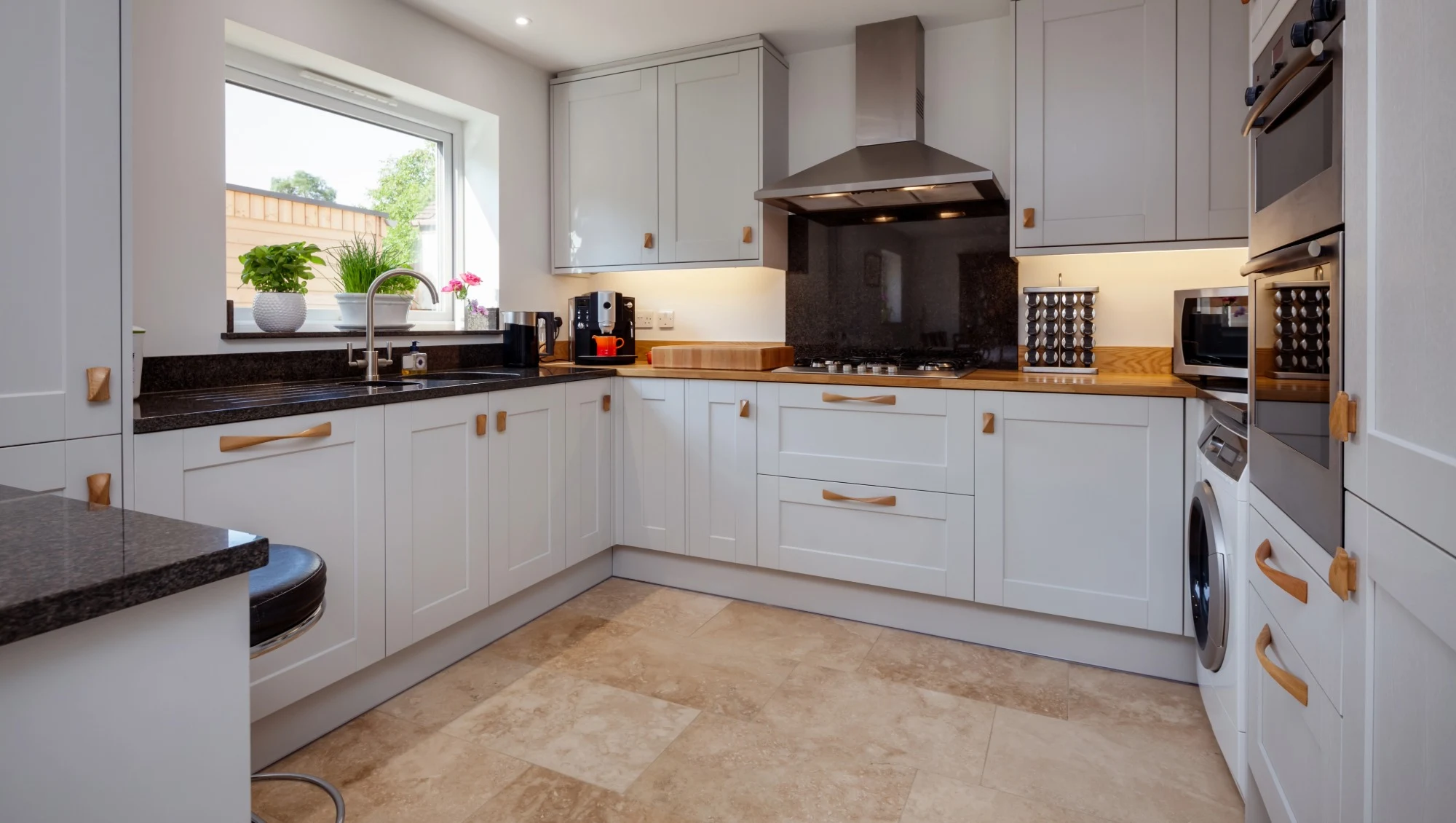
Kitchen extensions: ideas, designs, and inspiration for your home
A well-designed kitchen extension can completely change how your home feels. What might’ve once been a cramped cooking space can become somewhere the whole family naturally gathers, whether that’s for weekday breakfasts, entertaining friends, helping the kids with their homework, or simply enjoying a quieter pace of life.
It’s no surprise, then, that kitchen extensions remain one of the most popular home improvement projects in the UK. They create valuable extra space, improve the connection between your home and garden, and often give you an opportunity to redesign the kitchen around the way you want to live.
So, whether you’re exploring kitchen extension ideas for a compact property or considering a larger transformation with open-plan living in mind, understanding the different options available is the best place to start.
Why do homeowners choose kitchen extensions?
For so many households, their current kitchen no longer reflects modern living. Homes built decades ago were often designed around separate rooms, with smaller galley kitchens tucked away from the main living spaces.
Today, people tend to want something different. We cook, socialise, work, and relax in our kitchens, which means flexibility has become just as important as functionality.
One of the biggest benefits of kitchen extensions is the additional space they create. A carefully planned extension can accommodate a larger kitchen layout, a dedicated dining area, a comfortable seating space, or all three if that’s what you want.
Natural light is another huge advantage. By introducing larger windows, roof lanterns, sliding doors, or glazed elevations, an extension can dramatically brighten the heart of your home and create a stronger connection with the garden.
Many homeowners also find that a kitchen extension gives them an opportunity to improve flow throughout the ground floor. Spaces that once felt disconnected can become part of a more cohesive layout that works better for everyday life.
Different types of kitchen extensions
Not all kitchen extensions are the same. The right solution for you depends on your property, budget, and long-term goals. Here are the most common types to give you a better idea:
Rear extensions
When you close your eyes and try to imagine a kitchen extension, a rear extension is probably the first one that comes to mind. And that’s with good reason.
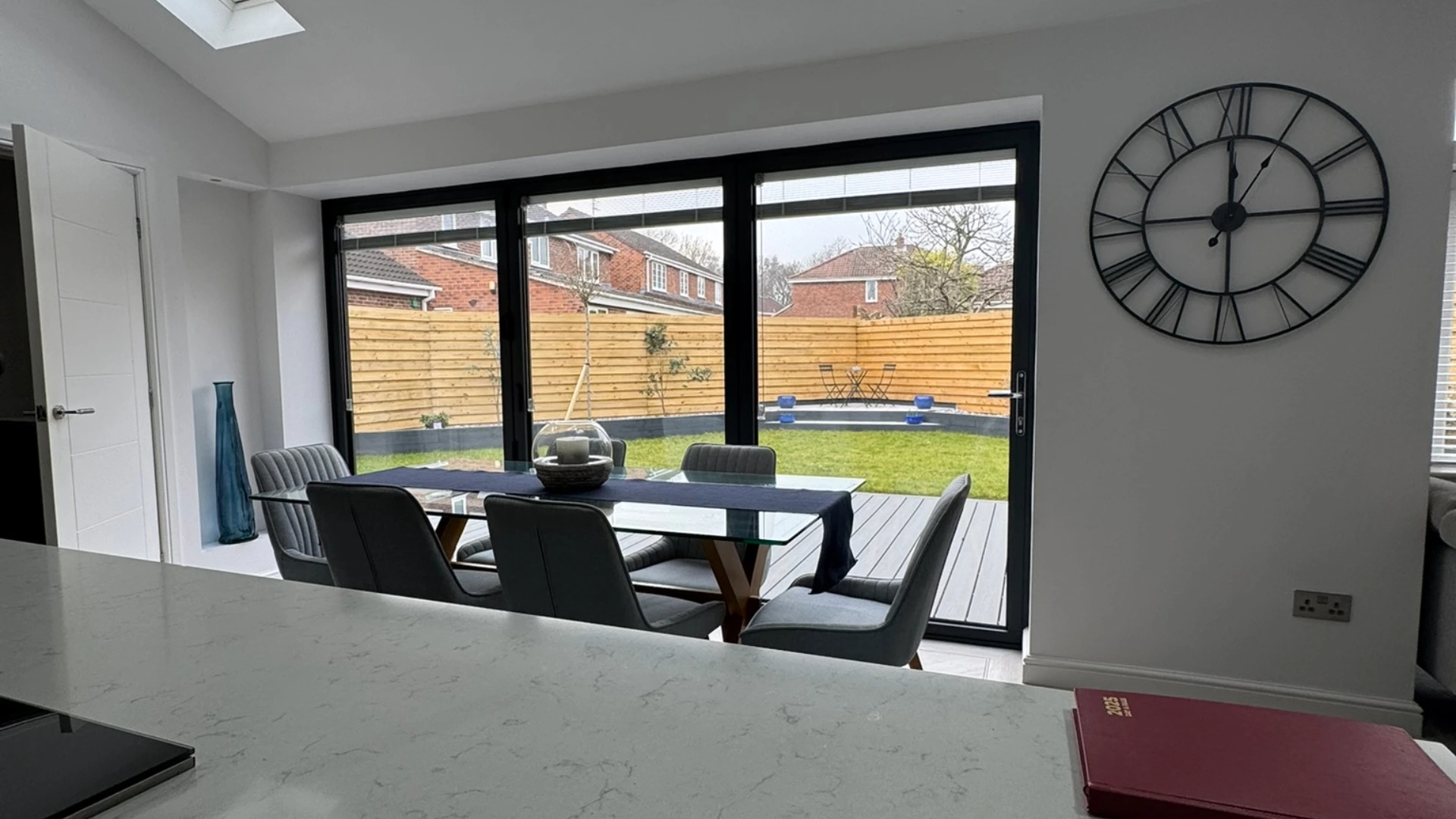
Extending into your garden creates so much more depth, allowing you to expand the kitchen footprint while also improving access to outdoor space. Rear kitchen extensions work especially well when combined with large sliding or bi-fold doors which blur the line between inside and out.
For many homeowners, this approach provides enough space to introduce a kitchen island, larger dining table, or even an additional living area without dramatically changing the existing structure of the house.
Side return extensions
Popular with Victorian and Edwardian properties, side return extensions make use of that narrow strip of land you often find along the side of the house.
And while they might seem modest from the outside, side return projects can have a surprisingly big impact on the internal layout. Even an extra metre or two of width can transform a narrow kitchen into a spacious family room.
Wraparound extensions
The wraparound or ‘L-shaped’ extension combines the two previous types (rear extensions and side returns) to create one larger space.
These projects offer some of the most remarkable transformations and give you excellent flexibility when it comes to kitchen extension design. They’re often chosen by homeowners who are looking to create expansive open-plan layouts that incorporate cooking, dining, and living zones all within a single space.
Single-storey extensions
Single-storey kitchen extensions remain one of the most popular options because they strike a brilliant balance between impact and practicality. They can work with a huge variety of property styles, and they often provide enough extra space to completely reconfigure the ground floor without the complexity of a two-storey build.
Why are open-plan kitchen extensions so popular?
One of the strongest trends we’ve seen in recent years has been the rise of open-plan extensions. Rather than treating the kitchen as a separate room, many now want a space that brings together cooking, dining, and relaxation. This creates a more sociable space and allows natural light to travel further through the property.
The success of an open-plan extension often comes down to thoughtful zoning. Different areas need to feel connected without losing their individual purpose.
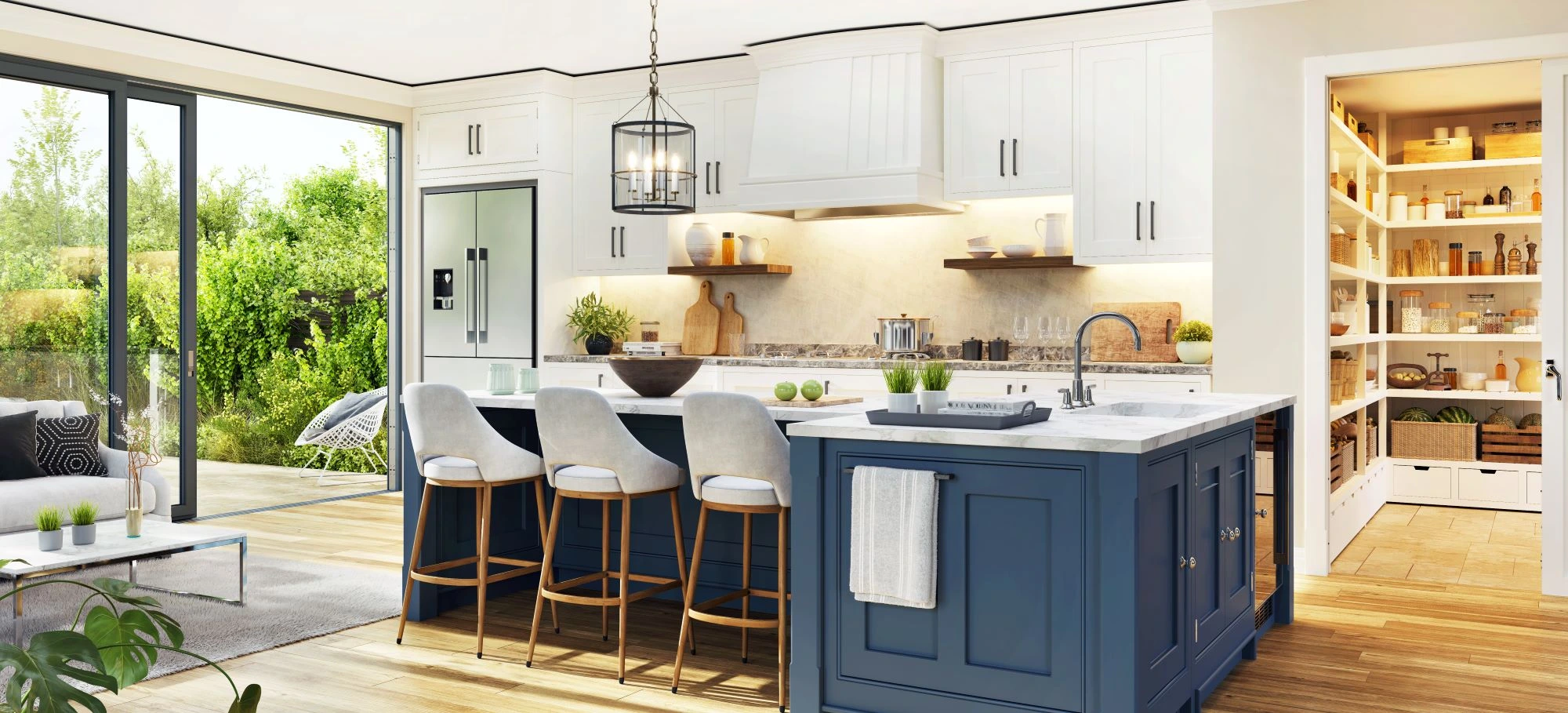
Kitchen islands are fantastic for creating subtle separation between cooking and living areas, while lighting, flooring, and furniture placement can help define different functions without introducing actual physical barriers.
Things to consider when designing a kitchen extension
A successful extension isn’t just about squeezing in extra square footage. The best projects are carefully planned around how the space will be used every day. Here are our top tips when beginning to plan your dream kitchen extension:
Make the most of natural light
Natural light can completely change the atmosphere of a kitchen. Large glazed doors are still very popular, but roof lanterns, skylights, and clerestory windows can sometimes bring light deeper into the room. A combination of these elements usually creates the most balanced result throughout the day.
Think about layout early
One of the biggest mistakes homeowners make is focusing purely on the extension itself without thinking about how the kitchen will function once it’s completed.
Good kitchen extension design starts with the practicalities of cooking, storage, and movement. After all, these are all fundamental parts of what a kitchen is all about. So, understanding where appliances, food prep areas, and seating will sit should form part of the planning process right from the outset.
There’s also the ‘kitchen triangle’ to consider. This is a popular rule followed by designers that proposes that the sink, fridge, and stove need to be arranged in a triangular shape to keep daily tasks smooth and simple.
Create enough storage
More space doesn’t automatically mean less clutter. Integrated storage, walk-in pantries, utility rooms, and cleverly designed cabinetry can help maintain a clean, organised space long after the extension is finished.
Strengthen the outdoor-indoor connection
A lot of homeowners invest in rear kitchen extensions because they want better access to their garden. Creating a connection between inside and outside can make the space feel quite a bit larger. Plus, consistent flooring materials, large openings, and coordinated landscaping can all add even more to this effect.
How much do kitchen extensions cost?
Naturally, one of the first and most common questions homeowners ask is about kitchen extension cost. And the reality is that costs vary considerably depending on factors like size, specification, structural requirements, and location.
A modest extension with a straightforward design will naturally cost less than a large open-plan project incorporating extensive glazing, premium materials, and bespoke joinery.
The kitchen itself also plays a major role in that overall investment. Worktops, cabinetry, appliances, and finishing details can influence the final budget.
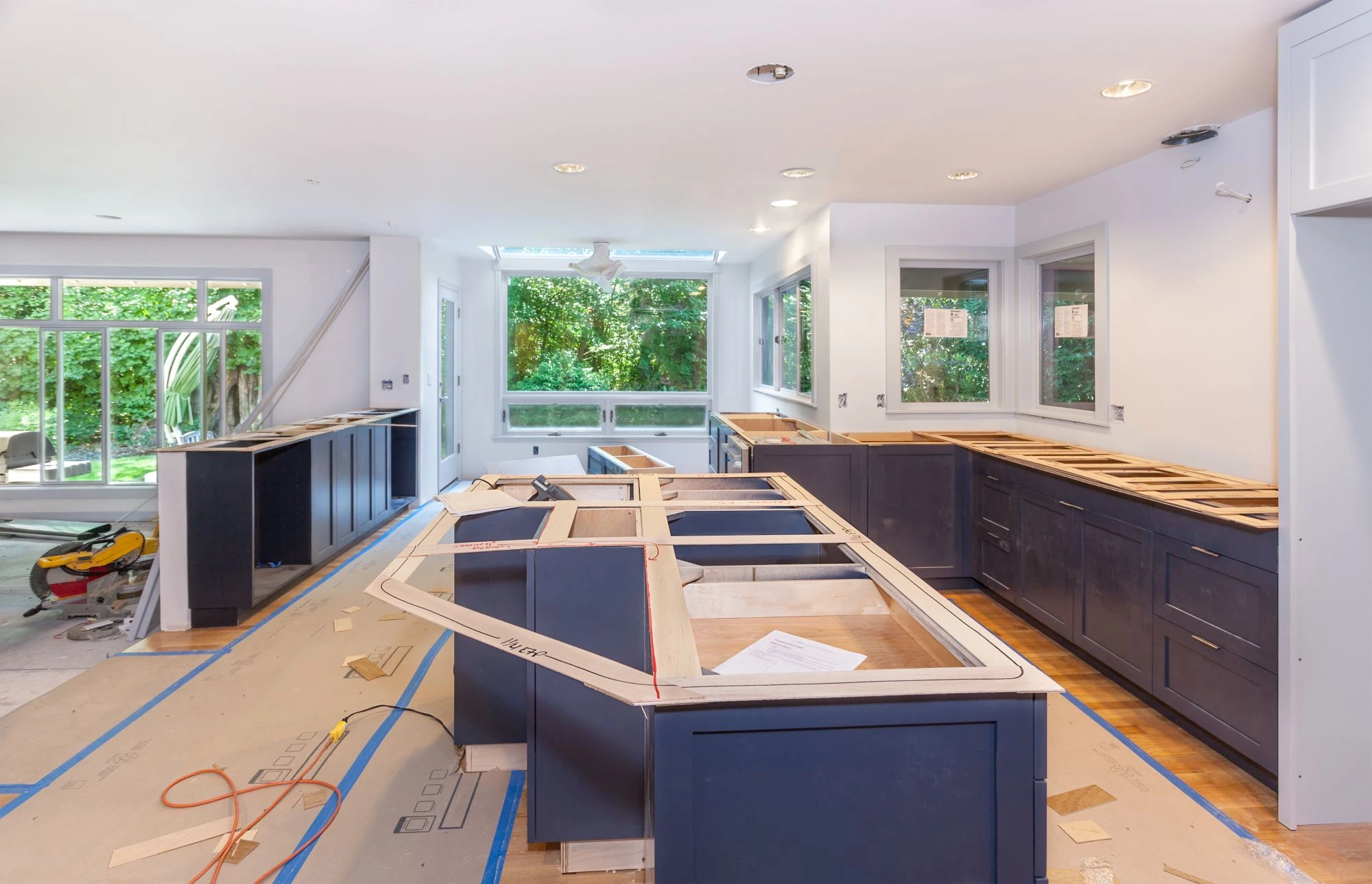
Because every project is different, the best way to understand likely costs is to book a consultation. This allows your designer and builder to get a better understanding of your property and give you guidance based on your needs.
Are kitchen extensions worth it?
For many homeowners, the answer is a definitive yes. The most immediate benefit is lifestyle. Additional space can improve day-to-day living, reduce congestion during those busy periods, and create a more enjoyable environment for family life.
For those who enjoy entertaining, kitchen extensions often become the social centre of the home. Being able to cook, dine, and spend time together within one connected space can dramatically change how the property is used.
And then there’s the question of value. While every property is different, a thoughtfully designed extension can make a home more attractive to future buyers, particularly when paired with a high-quality kitchen and strong architectural design.
Perhaps most importantly, many homeowners find that extending allows them to stay in a home they already love rather than facing the cost and hassle of moving.
Trust Premier Crafts with your rear kitchen extension
A rear kitchen extension is a significant investment, but it’s one that can dramatically improve your home and lifestyle. By exploring the various design ideas and understanding the key stages involved in design, installation and construction, you can embark on this exciting project with confidence.
We are passionate about bringing our clients’ rear kitchen extension ideas to life and exceeding their expectations. Contact us today to discuss your rear kitchen extension ideas and let us help you transform your house into your dream home.
Back to Blog